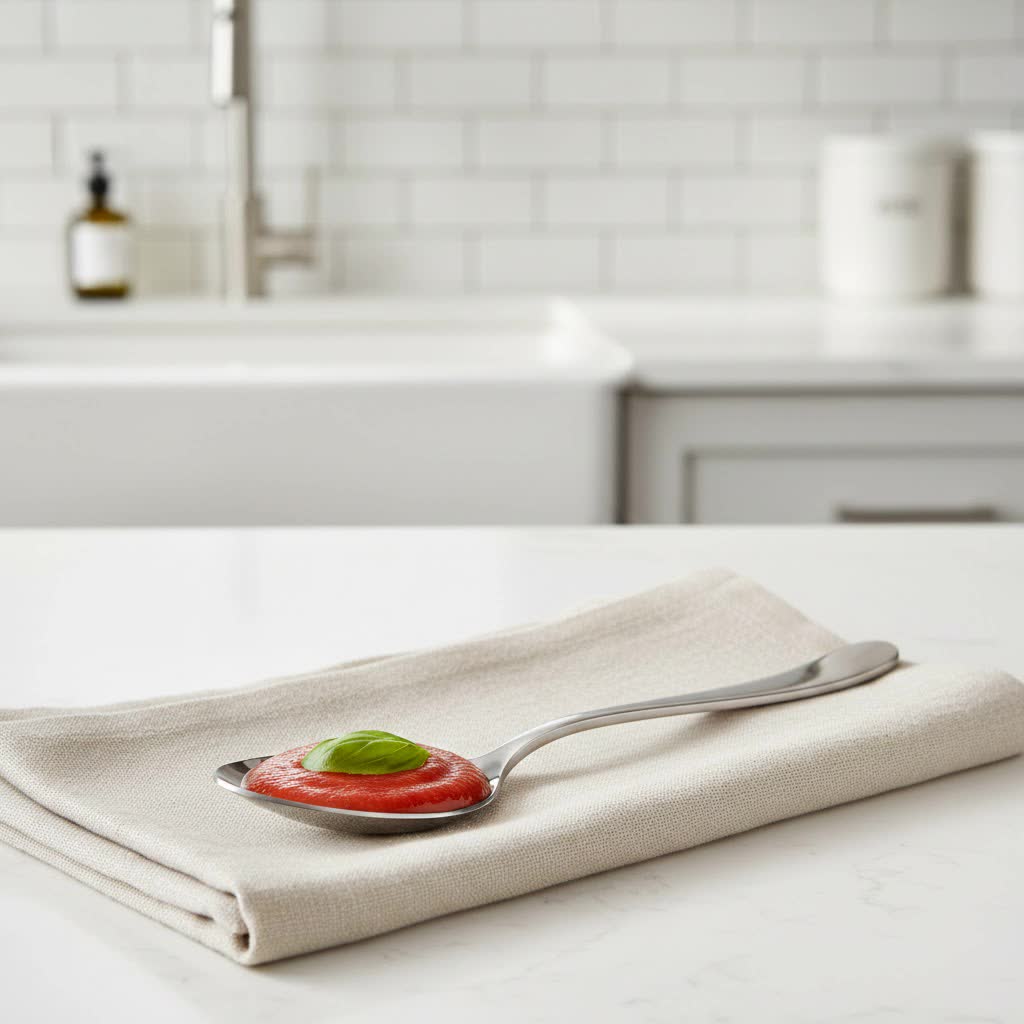
In the bustling world of culinary arts, every detail contributes to an exceptional dining experience. From the ambiance to the presentation, and crucially, to the very utensils guests use, quality is paramount. As an admin with over a decade of experience in household appliances and stainless steel products, I’ve seen countless spoons cross my path. When it comes to serving soup, especially in a professional restaurant setting, a heavy-duty stainless steel spoon isn’t just a utensil; it’s an investment in durability, hygiene, and the overall satisfaction of your patrons. Choosing the right spoon can transform a simple bowl of soup into a memorable gastronomic moment, offering a blend of robustness and refined elegance that stands up to the demands of commercial use.
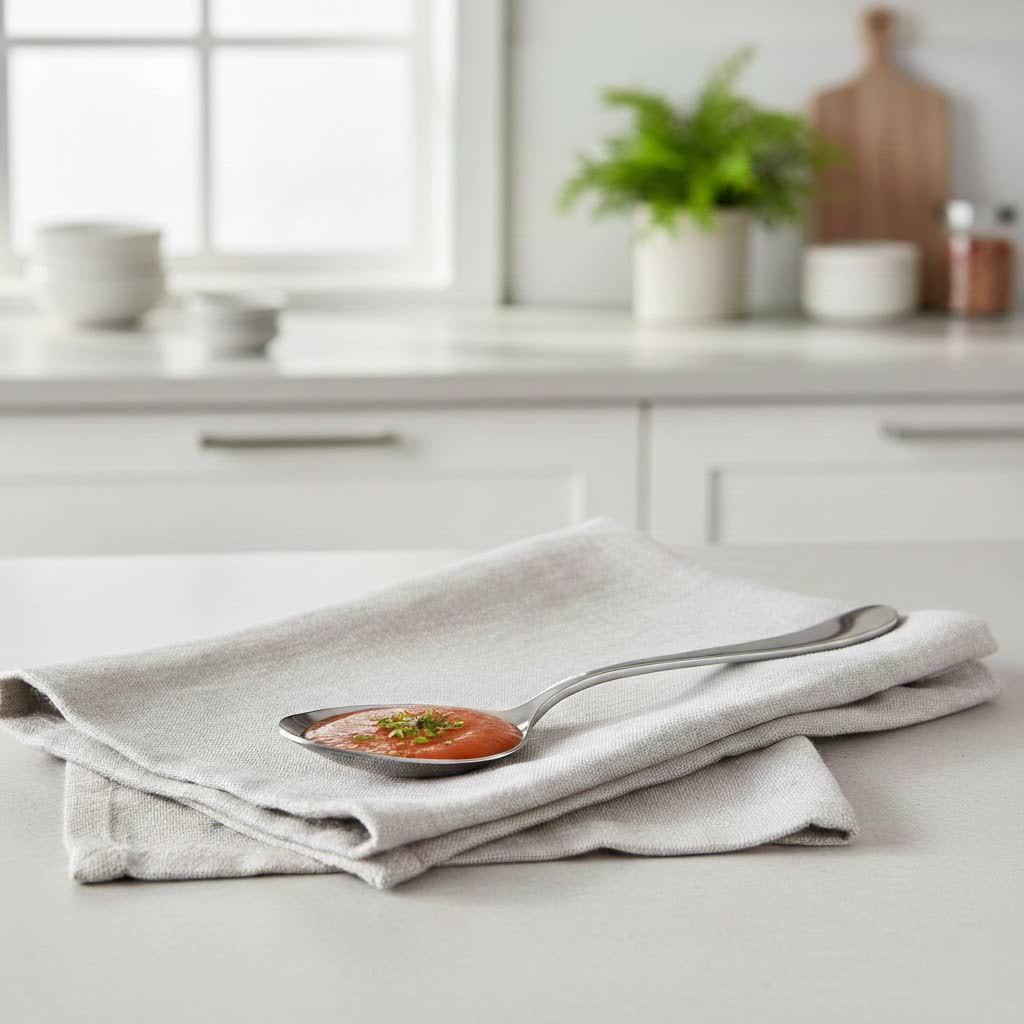
Types of Restaurant-Quality Soup Spoons
Understanding the distinct categories of soup spoons available is the first step toward curating the perfect collection for your establishment. Each type is designed with specific soups in mind, optimizing the dining experience.
Western-Style Soup Spoons
Western culinary traditions have shaped several classic soup spoon designs, each serving a unique purpose.
- Cream Soup Spoons: These spoons feature a wide, rounded bowl, ideal for rich, creamy bisques, chowders, and puréed soups. Their generous capacity allows diners to enjoy a substantial mouthful with each scoop, enhancing the decadent texture of the soup.
- Bouillon Spoons: Characterized by a slightly smaller, more delicate round bowl, bouillon spoons are perfect for clear broths, consommé, and lighter, elegant soups. Their refined size encourages smaller, more frequent sips, fitting a sophisticated dining pace.
- Chowder Spoons: Often larger than standard cream soup spoons, chowder spoons boast a deep, ample bowl designed to handle hearty, chunky soups and stews. Their robust build and significant capacity make them indispensable for dishes laden with vegetables, meat, or seafood.
|
Our Picks for the Best Stainless steel spoon in 2026
As an Amazon Associate I earn from qualifying purchases.
|
||
| Num | Product | Action |
|---|---|---|
| 1 | 4 Pcs Cooking Utensils Set, Stainless Steel Kitchen Utensils, Heat Resistant Metal Kitchen Tools Include Solid & Slotted Turner Wok Spatula, Serving Spoon, Ergonomic Handle, Easy to Clean, Silver |

|
| 2 | Teaspoon Set,16 Piece 6.7" Spoons Silverware, Premium Food Grade Stainless Steel Tea Spoons, Durable Small Spoon, Good Teaspoons, Kitchen Dessert Spoon Set, Mirror Finish & Dishwasher Safe |
|
| 3 | Dinner Spoon Set,8-Piece 7.3 Inch Soup Spoons,Premium Food Grade Stainless Steel Table Spoon,Durable Metal Tablespoon,Dishwasher Safe Silverware Spoons |
|
| 4 | OXO Steel Cooking Spoon |
|
| 5 | Dinner Spoon Set,16 Pcs 7.3" Tablespoons,Premium Food Grade Stainless Steel Spoons,Durable Metal Spoon,Tablespoon,Silverware Spoons Only,Mirror Finish & Dishwasher Safe,Use for Home,Restaurant |
|
| 6 | Cuisinart Stainless Steel Solid Spoon |
|
| 7 | Chef Craft 10230 1-Piece Stainless Steel Solid Spoon,13-Inch |
|
| 8 | Winco Stainless Steel Basting Spoon, Solid, 18", 1.5mm |
|
| 9 | OXO Good Grips Stainless Steel Spoon |
|
| 10 | 2 Pcs Stainless Steel Cooking Spoons Set, Solid & Slotted Metal Serving Spoons, Heavy Duty Sturdy Large Soup Ladle, High Heat Resistant Kitchen Cooking Utensils for Mixing, Stirring, Easy to Clean |
|
Asian-Style Soup Spoons
Asian culinary practices often call for spoons with distinct designs, perfectly suited for noodle dishes and brothy delights.
- Flat-Bottomed, Deep Bowls: Many Asian soup spoons feature a flat bottom, allowing them to rest steadily on a table or within a bowl without tipping. Their deep bowls are expertly crafted to scoop both liquid and solid ingredients, making them ideal for ramen, pho, and miso soup.
- Features like Handle Hooks: A common and practical design element, some Asian-style spoons incorporate a small hook or notch on the handle. This clever addition prevents the spoon from slipping into the bowl, a thoughtful detail for busy restaurant environments. These spoons often come in durable stainless steel, ceramic, or high-quality melamine, with stainless steel being the preferred choice for heavy-duty restaurant use due to its resilience.
Comparison of Soup Spoon Types
Choosing between Western and Asian styles, or within their sub-categories, depends heavily on your menu and the specific dining experience you aim to provide.
| Criteria | Western-Style (e.g., Cream Soup, Bouillon, Chowder) | Asian-Style |
|---|---|---|
| Typical Material | Stainless Steel (often 18/8, 18/10) | Stainless Steel, Ceramic, Melamine (Stainless best for HD) |
| Bowl Shape/Depth | Rounded (wide or smaller), sometimes deeper (chowder) | Often flat-bottomed, deep bowl |
| Primary Use | Creamy soups, clear broths, hearty stews | Noodle soups (ramen, pho), brothy dishes with solids |
| Handle Design | Varied, typically straight or slightly curved | Often shorter, with or without a “hook” |
| Weight/Thickness | Generally weighted for balance, varies by flatware line | Can be lighter (melamine) or substantial (stainless steel) |
Why Heavy-Duty Stainless Steel Spoons Are Essential
For any establishment striving for excellence, the choice of cutlery reflects its commitment to quality. Heavy-duty stainless steel soup spoons offer unparalleled advantages.
Unrivaled Durability
Restaurant environments demand flatware that can withstand relentless use, repeated washing, and accidental drops. Heavy-duty stainless steel spoons are engineered for endurance. They offer exceptional resistance to bending, chipping, and breaking, ensuring a longer lifespan compared to lesser quality alternatives. Their robust construction means they maintain their form and function even after years of high-volume service, translating into significant cost savings and reduced replacement needs. Beyond their physical strength, high-grade stainless steel is inherently resistant to rust and corrosion, crucial for maintaining hygiene and appearance in the face of continuous exposure to various foods and detergents.
Superior Hygiene and Safety
In the food service industry, sanitation is non-negotiable. Stainless steel is renowned for its non-porous surface, which prevents food particles and bacteria from clinging, making it incredibly easy to clean and sanitize effectively. This material also ensures food safety, as it does not react with acidic foods, nor does it leach any metallic tastes or harmful chemicals into the soup. Furthermore, reputable heavy-duty spoons are often crafted from food-grade stainless steel, such as 18/8 or 18/10, signifying specific compositions of chromium and nickel that enhance their resistance to corrosion and staining, while being completely safe for human contact.
Enhanced Dining Experience
While functionality and durability are practical necessities, the aesthetic and tactile qualities of a soup spoon significantly impact the guest’s perception. A heavy-duty stainless steel spoon offers a substantial, balanced feel in the hand, conveying a sense of quality and luxury. The polished finish of stainless steel adds a touch of sophistication to any table setting, complementing both modern and traditional decor. An ergonomically designed handle provides a comfortable grip, making the act of eating soup effortless and enjoyable, rather than an awkward task. This attention to detail elevates the overall dining experience, contributing to customer satisfaction and loyalty.
How to Select the Best Heavy-Duty Soup Spoons (Buying Guide)
Choosing the right heavy-duty soup spoons requires careful consideration of several factors to ensure they meet the rigorous demands of restaurant use.
Stainless Steel Grade: 18/8 vs. 18/10
The “18/8” or “18/10” designation refers to the chromium and nickel content in the stainless steel. The first number (18) indicates 18% chromium, which provides hardness and rust resistance. The second number (8 or 10) refers to the percentage of nickel, enhancing corrosion resistance and giving the steel a brighter, more lustrous finish. For heavy-duty restaurant use, 18/10 stainless steel is often preferred for its superior resistance to corrosion and brilliant shine, though 18/8 remains an excellent, durable, and cost-effective choice.
Weight, Thickness, and Balance
The heft and thickness of a soup spoon are direct indicators of its durability and quality. Heavier, thicker spoons (often around 3-4mm in thickness) are less prone to bending, warping, or showing signs of wear over time. “Forged” flatware, made from a single, thick bar of steel, represents the pinnacle of strength and durability, ideal for demanding commercial environments. A well-balanced spoon, with weight distributed evenly between the handle and the bowl, feels comfortable and luxurious in the hand, enhancing the dining experience.
Bowl Design and Capacity
The shape and depth of the spoon’s bowl should align with the types of soups on your menu. Deep, rounded bowls are excellent for chunky stews and creamy bisques, allowing generous scoops. Shallower, more elegant bowls are perfect for delicate broths. Consider the “lip” of the bowl – a smooth, well-finished edge ensures comfortable eating. For Asian-style soups, look for deep, often flat-bottomed bowls that can accommodate noodles and broth effectively.
Handle Comfort and Design
Beyond aesthetics, the handle design significantly impacts ergonomics and guest comfort. Choose spoons with handles that are comfortable to grip for extended periods, reducing hand fatigue for both diners and staff. Smooth, well-polished handles without sharp edges are essential. The handle should also be sturdy enough to prevent bending under pressure. A design that complements your existing flatware and overall restaurant aesthetic will create a cohesive and professional table setting.
Brand Reputation and Commercial Standards (NSF)
Investing in spoons from reputable brands known for their commercial-grade flatware provides assurance of quality and longevity. Look for certifications such as NSF International, which indicates that the product meets strict public health and safety standards. NSF-certified flatware is designed to be easily cleaned and to withstand the rigors of commercial dishwashing, making it a reliable choice for any restaurant.
Expert Tips for Care and Maintenance
To ensure your heavy-duty stainless steel soup spoons maintain their pristine appearance and last for years, proper care is crucial.
Daily Cleaning Practices
After each use, it’s best to rinse spoons immediately to prevent food residue from drying and hardening, which can lead to staining or pitting. While heavy-duty stainless steel is generally dishwasher safe, avoid harsh detergents or abrasive scrubbers that can dull the finish. For optimal shine and to prevent water spots, hand dry spoons with a soft cloth immediately after washing, especially in areas with hard water.
Addressing Stubborn Stains and Rust
Should rust spots or stubborn stains appear, a gentle but effective approach is best. A paste made from baking soda and water can be applied and left for a few minutes before gently scrubbing with a soft cloth. Alternatively, a solution of white vinegar and water can help dissolve mineral deposits and light rust. Always rinse thoroughly and dry completely after treatment. Avoid using steel wool or highly corrosive cleaners, as these can permanently damage the stainless steel finish.
Proper Storage Techniques
Careful storage prevents scratches, dents, and other damage. Store spoons in a cutlery tray or drawer organizer to keep them separated from other utensils. Avoid piling them haphazardly, which can lead to scuffing. In commercial kitchens, consider using dedicated racks or containers that allow spoons to be stored vertically and air-dried completely, ensuring they are ready for the next service.
Conclusion
Choosing heavy-duty stainless steel soup spoons for your restaurant is more than a simple purchase; it’s a strategic investment in the longevity of your flatware, the efficiency of your operations, and the overall satisfaction of your guests. From the robust durability of high-grade stainless steel to the ergonomic comfort and polished aesthetic, these spoons are designed to withstand the rigors of commercial use while elevating every dining moment. By focusing on material quality, thoughtful design, and diligent maintenance, you ensure that each spoonful reflects the high standards of your establishment. What kind of unforgettable soup experiences will you create with the perfect spoon?
Frequently Asked Questions
What is the best stainless steel grade for heavy-duty soup spoons?
For heavy-duty restaurant use, 18/10 stainless steel is often considered the best grade. It contains 18% chromium for rust resistance and 10% nickel for enhanced corrosion resistance and a brilliant, lasting shine, making it highly durable and aesthetically pleasing for commercial settings.
How can I tell if a soup spoon is truly “heavy-duty”?
A heavy-duty soup spoon will typically feel substantial and well-balanced in your hand. Look for a thickness of at least 3-4mm, especially in the handle and bowl connection. Products labeled as “forged” flatware are also indicators of superior strength and durability.
Are heavy-duty soup spoons dishwasher safe?
Yes, most high-quality heavy-duty stainless steel soup spoons are designed to be dishwasher safe and withstand the harsh detergents and high temperatures of commercial dishwashers. However, it’s always recommended to rinse them before loading and to dry them promptly to prevent water spots and maintain their luster.
Why do some Asian-style soup spoons have a hook on the handle?
The hook on the handle of some Asian-style soup spoons is a practical design feature. It allows the spoon to rest securely on the rim of the bowl without slipping into the soup, providing convenience for diners and helping to keep the table clean in a busy restaurant environment.
How does the bowl shape of a soup spoon affect its use?
The bowl shape is crucial for optimal use. Wide, rounded bowls are ideal for creamy or chunky soups, allowing for generous scoops. Smaller, more delicate round bowls are better for clear broths. Deep, often flat-bottomed bowls, characteristic of Asian-style spoons, are designed to easily scoop both broth and solid ingredients like noodles.