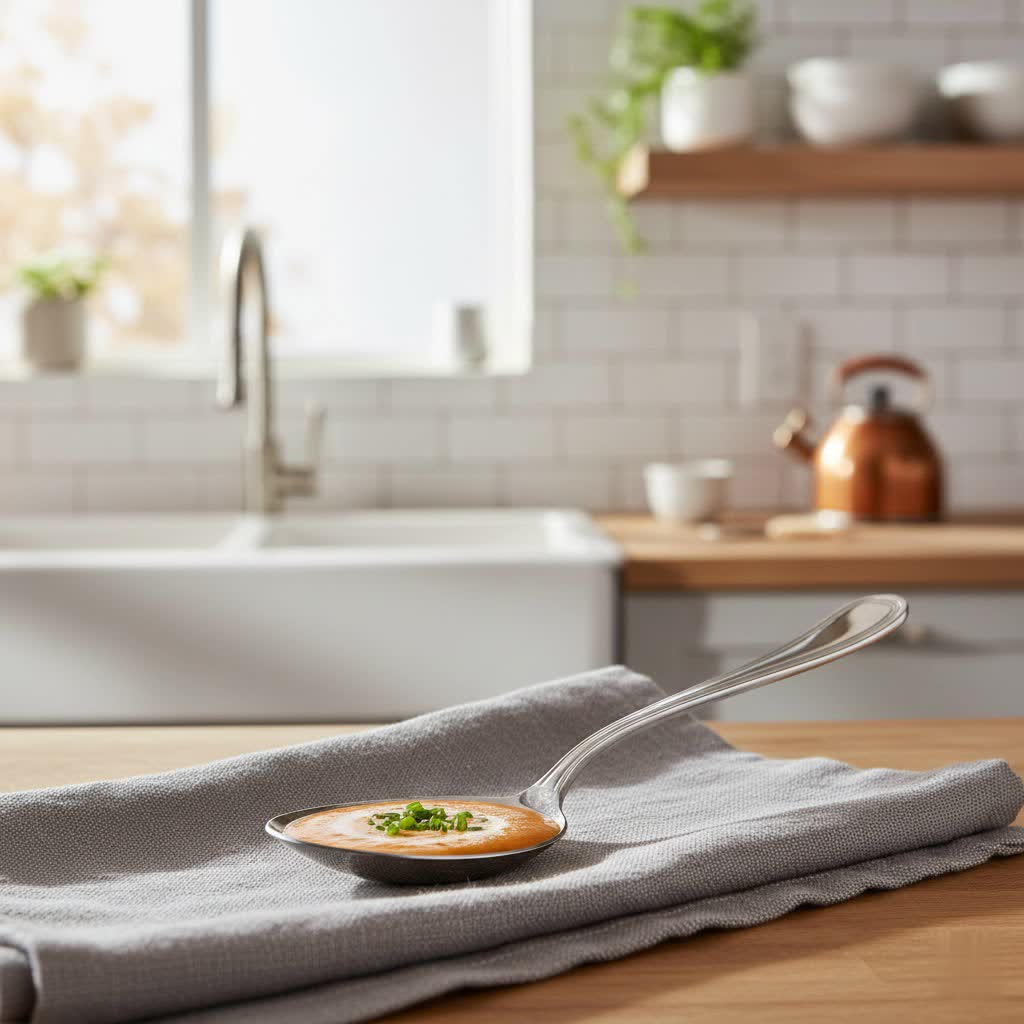
As an expert with over a decade in household appliances, particularly stainless steel products, I’ve seen countless innovations and trends. My passion lies in understanding how the right tools can elevate everyday experiences, and coffee, with its intricate latte art, is no exception. Crafting beautiful latte art is a skill that requires precision, quality ingredients, and, crucially, the right equipment. Many focus on espresso machines and milk pitchers, but often overlook a subtle yet powerful tool: the stainless steel spoon. This guide delves into the world of spoons specifically chosen for their role in creating stunning latte art and ensuring the perfect foam pour, sharing insights from years of hands-on experience to help you pick the ideal spoon.
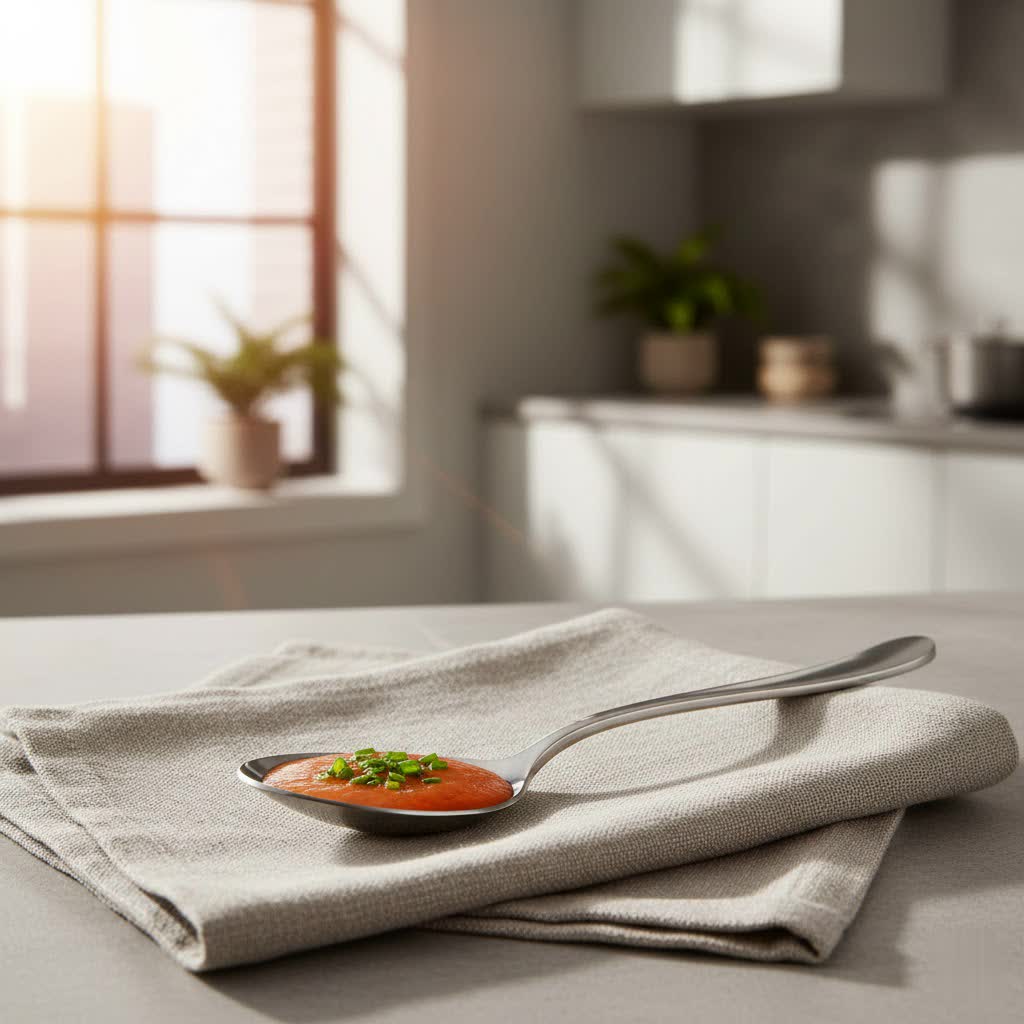
Common Types of Stainless Steel Spoons
While a “latte art spoon” might sound highly specialized, understanding general spoon types helps appreciate the specific design elements that make a spoon excel in foam manipulation and stirring. We’ll examine how common stainless steel spoon categories relate to, or differ from, the ideal tools for your coffee creations.
Stainless Steel Spoons for Everyday Meals
|
Our Picks for the Best Stainless steel spoon in 2026
As an Amazon Associate I earn from qualifying purchases.
|
||
| Num | Product | Action |
|---|---|---|
| 1 | Winco Stainless Steel Basting Spoon, Solid, 18", 1.5mm |

|
| 2 | 2 Pcs Stainless Steel Cooking Spoons Set, Solid & Slotted Metal Serving Spoons, Heavy Duty Sturdy Large Soup Ladle, High Heat Resistant Kitchen Cooking Utensils for Mixing, Stirring, Easy to Clean |
|
| 3 | 4 Pcs Cooking Utensils Set, Stainless Steel Kitchen Utensils, Heat Resistant Metal Kitchen Tools Include Solid & Slotted Turner Wok Spatula, Serving Spoon, Ergonomic Handle, Easy to Clean, Silver |
|
| 4 | Teaspoon Set,16 Piece 6.7" Spoons Silverware, Premium Food Grade Stainless Steel Tea Spoons, Durable Small Spoon, Good Teaspoons, Kitchen Dessert Spoon Set, Mirror Finish & Dishwasher Safe |
|
| 5 | Dinner Spoon Set,8-Piece 7.3 Inch Soup Spoons,Premium Food Grade Stainless Steel Table Spoon,Durable Metal Tablespoon,Dishwasher Safe Silverware Spoons |
|
| 6 | OXO Good Grips Stainless Steel Spoon |
|
| 7 | Dinner Spoon Set,16 Pcs 7.3" Tablespoons,Premium Food Grade Stainless Steel Spoons,Durable Metal Spoon,Tablespoon,Silverware Spoons Only,Mirror Finish & Dishwasher Safe,Use for Home,Restaurant |
|
| 8 | Chef Craft 10230 1-Piece Stainless Steel Solid Spoon,13-Inch |
|
| 9 | Cuisinart Stainless Steel Solid Spoon |
|
| 10 | OXO Steel Cooking Spoon |
|
Typically, a standard meal spoon is designed for general eating, featuring a moderately deep bowl and a sturdy handle for versatility. While not optimized for delicate foam work, its fundamental stainless steel construction (often 18/8 or 18/10) provides durability and hygiene, qualities that are paramount across all cutlery. For latte art, however, the bowl size and depth of an eating spoon often prove too cumbersome for precise foam scooping or delicate etching, making it less than ideal for direct art creation. However, the robust nature of a good stainless steel eating spoon is a testament to the material’s ability to withstand daily use.
Stainless Steel Soup Spoons
Soup spoons are characterized by their deeper, often wider bowls, designed to hold liquids effectively. In the context of latte art, this design, while excellent for enjoying a hearty bisque, is generally unsuitable for intricate foam work. The large, rounded bowl lacks the precision needed for skimming microfoam or creating defined patterns. However, some deep-bowled spoons might be adapted for carefully transferring larger quantities of prepared foam, though specialized foam spoons offer far superior control for baristas aiming for perfection. Their robust stainless steel composition ensures they remain untainted by acidic foods, a benefit shared with coffee-specific stainless steel utensils.
Stainless Steel Coffee/Tea Spoons
This category is where we begin to find spoons highly relevant for latte art enthusiasts. Stainless steel coffee and tea spoons, often called demitasse or espresso spoons, are typically smaller than their mealtime counterparts. Their compact size and shallow bowls are perfect for stirring sugar or milk into coffee without displacing too much liquid or disrupting delicate foam layers. Longer-handled versions, often referred to as latte spoons, are designed for taller mugs and glasses, ensuring a comfortable reach for stirring without disturbing the carefully poured art on top. The slender design of many coffee spoons also lends itself to very basic etching or foam manipulation for those just starting out. Metallurgica Motta, for instance, produces 18/10 stainless steel latte spoons specifically for serving lattes, highlighting their purpose in coffee enjoyment [search 4, 4th hit].
Stainless Steel Dessert Spoons
Dessert spoons typically fall between tea spoons and meal spoons in size, often featuring an elegant design and a slightly elongated bowl for tasting sweet treats. For latte art and foam pouring, the delicate nature and refined shape of a dessert spoon can be surprisingly useful. Their finer edges and smaller bowls can be employed for delicate foam skimming, gently guiding foam, or even for simple etching techniques when a dedicated barista tool isn’t at hand. The aesthetic appeal of a well-crafted stainless steel dessert spoon also complements the visual artistry of a beautifully poured latte.
Comparing Stainless Steel Spoon Types
Understanding the nuances between spoon types is crucial for selecting the right tool for your latte art journey. The table below highlights key differences, steering you toward the best choice for foam manipulation and coffee enjoyment.
| Feature | Everyday Meal Spoon | Soup Spoon | Coffee/Tea Spoon | Dessert Spoon | Dedicated Foam Spoon |
|---|---|---|---|---|---|
| Material | Stainless Steel (18/0, 18/8, 18/10) | Stainless Steel (18/8, 18/10) | Stainless Steel (18/8, 18/10) | Stainless Steel (18/8, 18/10) | Stainless Steel (18/8, 18/10) |
| Bowl Design | Moderate depth, oval | Deep, wide, rounded | Small, shallow, oval/round | Medium, shallow, elegant | Wide, very shallow, often flat or slightly curved |
| Size/Length | Standard | Standard | Small to Long-handle | Medium | Long (e.g., 8-8.3 inches) |
| Durability | High | High | High | High | Very High (commercial-grade) |
| Primary Use | Eating meals | Consuming liquids | Stirring coffee/tea, tasting espresso | Eating desserts, delicate stirring | Scooping, layering, manipulating microfoam for latte art |
| Latte Art Suitability | Low (too large) | Very Low (too deep) | Moderate (stirring, basic etching) | Moderate (delicate skimming/etching) | High (specialized for art) |
| Typical Cost | Low to Mid | Low to Mid | Low to Mid | Low to Mid | Mid to High |
The Essential Role of a Dedicated Foam Spoon
For serious home baristas and professionals, a dedicated foam spoon stands out. Tools like the Rattleware 8″ Foam Spoon are crafted from durable stainless steel with a specialized wide, shallow bowl design. This design allows for effortless skimming and layering of milk foam, enabling baristas to achieve precise textures and patterns [search 1, 1st hit]. Its 8-inch length provides ample reach for deep milk pitchers, ensuring consistent and high-quality results in every cup [search 1, 1st hit]. Such spoons are purpose-built to enhance milk frothing precision, offering barista-approved control for crafting latte art with accuracy and elegance [search 4, 1st hit].
Advantages of Stainless Steel Spoons
My years of experience affirm that stainless steel is the superior material for coffee spoons, especially when it comes to latte art and daily coffee rituals. Its inherent properties make it an unmatched choice for durability, safety, and aesthetic appeal.
High Durability
Stainless steel spoons are renowned for their exceptional durability. They are highly resistant to rust, corrosion, and everyday wear and tear, ensuring they maintain their structural integrity and polished finish over years of use. This resilience makes them an economical choice, as they rarely need replacing, whether for a busy cafe or a home kitchen. They can withstand repeated washing, high temperatures, and the acidity of coffee and milk without degrading, making them a cornerstone of any coffee enthusiast’s toolkit.
Health Safety
When it comes to food contact, safety is paramount. High-quality stainless steel, particularly grades like 18/8 (also known as 304 stainless steel), is considered food-grade and safe for health. This austenitic steel resists corrosion from milk acids and cleaning chemicals, preventing any harmful substances from leaching into your beverages [search 1, 2nd hit]. Unlike some other materials, stainless steel is non-porous and incredibly easy to sanitize, inhibiting bacterial growth and ensuring optimal food hygiene. This makes it a reliable choice for daily use, keeping your coffee creations pure and safe.
Aesthetic Appeal
Beyond functionality, the visual aspect of coffee making and serving is important. Stainless steel spoons offer a sleek, modern, and professional aesthetic. Their natural luster and polished finish add a touch of sophistication to any coffee setup, complementing both traditional and contemporary styles. Many designs are available, from minimalist to ornately decorated, allowing you to choose spoons that align with your personal taste and elevate the overall presentation of your latte art. The consistent gleam of stainless steel signifies quality and attention to detail.
Guide to Choosing Stainless Steel Spoons
Selecting the perfect stainless steel spoon for latte art and foam pouring involves considering several factors beyond just its appearance. As an expert, I guide you through the critical elements to ensure your choice enhances both your crafting experience and coffee enjoyment.
Stainless Steel Material Quality
The quality of stainless steel is crucial for performance and longevity. Look for spoons made from 304 stainless steel, often labeled as 18/8 (18% chromium, 8% nickel) or 18/10 (18% chromium, 10% nickel). These grades are the industry standard for food-grade applications due to their superior corrosion resistance and durability [search 1, 2nd hit]. Avoid spoons made from 201 stainless steel, which contains less nickel and is prone to rust and discoloration over time [search 1, 2nd hit]. A quick way to check quality is by observing the finish: higher-grade stainless steel typically has a smoother, more lustrous surface. While a magnet test can indicate the presence of nickel (non-magnetic or weakly magnetic for 304, strongly magnetic for 201/430), relying on clear labeling from reputable brands is best.
Size and Design
The ideal spoon for latte art often features a specialized design. For foam manipulation, look for spoons with a wide, shallow bowl, often with a slightly flattened edge, designed to skim and layer microfoam effectively [search 1, 1st hit; search 4, 1st hit]. An elongated handle, typically around 8-8.3 inches, provides the necessary reach and control for deep milk pitchers and ensures accuracy when pouring and detailing [search 1, 1st hit; search 4, 1st hit]. For stirring lattes, a long-handled spoon (often called a latte spoon or iced tea spoon) is ideal for reaching the bottom of tall glasses without disturbing the art. Consider the overall balance and weight of the spoon; a well-balanced spoon feels comfortable in hand and allows for greater control, whether you’re creating art or simply stirring.
Brand and Pricing
Investing in spoons from reputable brands in the coffee or culinary industry generally ensures better quality and design. Brands known for barista tools often put extensive research into ergonomics and functionality. While higher-quality stainless steel spoons might come with a slightly higher price tag, they offer greater durability, safety, and a superior user experience, ultimately providing better long-term value. Always balance the initial cost with the expected lifespan and performance. Reputable retailers and specialty coffee suppliers are reliable sources for genuine, high-quality stainless steel coffee spoons.
How to Clean and Care for Stainless Steel Spoons
Proper cleaning and maintenance are essential to preserve the luster, hygiene, and longevity of your stainless steel spoons, especially those used for delicate tasks like latte art. Following these steps will ensure your spoons remain in pristine condition for years to come.
Daily Cleaning
After each use, rinse your stainless steel spoons immediately under warm water. This prevents milk residues and coffee oils from drying and sticking to the surface, which can lead to staining or dullness. For thorough cleaning, use a mild dish soap and a soft sponge or cloth. Gently scrub the spoon, paying close attention to any crevices or textured areas. Once clean, dry the spoons immediately with a soft, clean towel. Air-drying can lead to water spots or mineral deposits, especially in areas with hard water, which can diminish the polished finish.
Deep Cleaning
For more stubborn stains, discoloration, or to restore shine, occasional deep cleaning is beneficial. A paste made from baking soda and a little water can effectively remove minor stains and polish the surface. Apply the paste, let it sit for a few minutes, then gently scrub and rinse thoroughly. Alternatively, a solution of white vinegar and water (equal parts) can be used to soak the spoons for 15-30 minutes, followed by rinsing and immediate drying. For disinfecting, especially if using spoons for foam manipulation, submerging them in boiling water for a few minutes can provide effective sterilization. Always ensure all cleaning agents are thoroughly rinsed off before use.
Proper Storage
To prevent scratches, dents, and maintain their aesthetic appeal, store your stainless steel spoons properly. Avoid tossing them haphazardly into a drawer with other sharp or heavy utensils, which can cause damage. Consider using a cutlery tray with individual compartments or a dedicated spoon holder. For specialized latte art foam spoons, a separate container or a magnetic strip can keep them organized and protected. Storing them in a dry environment is also crucial to prevent any potential moisture-related issues, although high-grade stainless steel is highly resistant to such problems.
Conclusion
Mastering latte art and perfecting your daily coffee ritual extends beyond just brewing; it involves selecting the right tools, including the often-underestimated stainless steel spoon. From specialized foam spoons designed for precise microfoam manipulation to elegantly designed stirring spoons that preserve your art, the choice of stainless steel ensures durability, hygiene, and aesthetic appeal. By understanding material quality, ideal design elements, and proper care, you can choose spoons that not only last a lifetime but also elevate every aspect of your coffee experience. So, are you ready to refine your barista kit and pour with unparalleled precision?
Frequently Asked Questions
What makes a stainless steel spoon ideal for latte art foam pouring?
An ideal stainless steel spoon for latte art features a wide, shallow bowl design and an extended handle. This specific design allows baristas to precisely scoop, skim, and layer microfoam, giving them superior control for creating intricate patterns and ensuring a perfect pour without disturbing the delicate foam structure.
Is 18/8 or 18/10 stainless steel better for coffee spoons?
Both 18/8 and 18/10 stainless steel are excellent choices for coffee spoons. The numbers refer to the chromium and nickel content, with 18/10 having slightly more nickel, which typically results in a brighter luster and enhanced corrosion resistance. Both are considered food-grade 304 stainless steel and are highly durable and safe for daily use.
Can I use a regular spoon for latte art?
While a regular spoon can be used for very basic foam manipulation or stirring, it is not ideal for intricate latte art. Standard spoons often have bowls that are too deep or too small, lacking the wide, shallow design and elongated handle of specialized foam spoons that provide the precision and control needed for professional-grade latte art.
How do I prevent water spots on my stainless steel coffee spoons?
To prevent water spots, always dry your stainless steel coffee spoons immediately after washing them with a soft, clean towel. Hard water contains minerals that can leave spots if allowed to air dry. For a streak-free shine, you can also use a microfiber cloth.
What’s the difference between a latte spoon and a demitasse spoon?
A demitasse spoon is typically a very small spoon, designed for espresso cups and stirring small amounts of sugar or milk into strong coffee drinks. A latte spoon, while also for coffee, usually features a longer handle to comfortably reach the bottom of taller latte glasses and mugs, making it ideal for stirring beverages with a larger volume.
How often should I deep clean my stainless steel latte art spoons?
The frequency of deep cleaning depends on usage. For daily home use, a deep clean once a month or every few weeks is generally sufficient to maintain their shine and thoroughly remove any mineral buildup or minor discoloration. For professional barista tools, more frequent deep cleaning might be beneficial.
Are all stainless steel spoons safe for contact with hot beverages?
Yes, high-quality stainless steel spoons, particularly those made from 18/8 or 18/10 food-grade stainless steel, are perfectly safe for contact with hot beverages. They are designed to withstand high temperatures without leaching chemicals or reacting with acidic liquids like coffee, ensuring your drinks remain pure and safe to consume.